Is it safe to send my child to study abroad for a year? What to consider
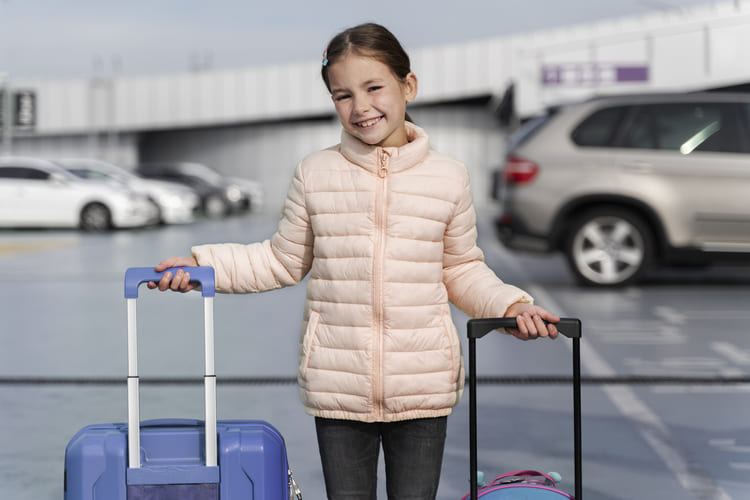
One of the most common fears mothers and fathers have when they begin to learn about school years abroad is their children’s safety. Will they be well cared for? How will we know if they’re adjusting? What happens if they get sick or have a problem with their host family or at school?
All of these questions are more than reasonable, and before making a decision like this, it’s essential to be well-informed, choose a reliable program, and understand what mechanisms exist to guarantee the student’s physical, emotional, and academic safety.
What factors determine whether or not it is safe to study a year abroad?
Safety doesn’t depend solely on the destination country, although that obviously plays a role. What matters most is the type of program chosen and the level of support the child receives throughout the entire process. A serious program doesn’t just focus on academics, but also becomes a comprehensive support network: from the moment the student and family make the decision, until they return home, and even beyond.
So, if you’re wondering whether it’s safe to send your child to study abroad, the answer is yes, as long as it’s done under a well-structured, professional, and humane program.
Who cares for my child during the school year abroad?
One of the keys to feeling calm as a parent is knowing that your child won’t be alone. Well-managed programs have local coordinators, people who live near the student’s school and accommodations, who are responsible for providing close and constant monitoring. This coordinator visits the student regularly, stays in contact with the host family or boarding school, and acts as a point of contact in case of any incident.
At Edacex, we offer 24/7 emergency assistance, so both students and parents can contact someone at any time, whether for a health issue, an academic question, or even an emotional difficulty.

Where do minors live during their stay abroad? Is it safe?
Another major concern is accommodation. There are two main types: selected host families or residences/boarding schools. Both options can be equally safe, but it’s important to choose a program that undergoes a thorough screening and monitoring process.
In the case of host families, they must go through legal screening and interviews, in addition to home visits. It’s not simply a matter of having space in their home, but rather of being truly prepared to welcome, care for, and accompany a foreign teenager as if they were part of their family. If the student stays at a boarding school, there are usually very clear rules for living together, controlled schedules, constant adult supervision, and a structured academic environment, ideal for those seeking greater independence but within a supportive environment.
If you’re wondering, “What if my child doesn’t fit in with the family or doesn’t feel comfortable?” you should know that reputable programs allow for a change of family if there’s an incompatibility or any awkward situation. The student’s well-being is always the priority.
What happens if my child gets sick or needs medical attention abroad?
This is another key point. All students must travel with comprehensive international medical insurance, which covers consultations, emergencies, hospitalization, treatment, and even repatriation if necessary. In addition, many programs include additional liability insurance, accident coverage, or psychological assistance if the minor needs emotional support during their stay.
In general, the countries that most welcome international students—such as Ireland, Canada, the United Kingdom, and the United States—have high-quality healthcare systems and clear procedures in case of illness, ensuring that the student will be well cared for. Most importantly, the family is always informed of any relevant medical situation.
How will I know if my child is okay?
One of the biggest questions many mothers ask themselves is: “How will I know if he’s really okay if he’s so far away?” It’s completely natural to want to be aware, but it’s also important to find a balance between being overprotective and allowing the child to gain independence.
For this reason, good programs offer regular reports on the student’s academic, personal, and social progress and maintain open communication with the family. Furthermore, many coordinators foster a fluid relationship between parents and students, respecting the space adolescents need while ensuring that parents don’t feel disconnected.
Some families even choose to agree on a weekly video call schedule, which helps maintain the connection without intruding on the student’s adjustment process.
What kind of prior preparation does the minor receive before traveling?
Another guarantee of safety is pre-trip preparation, which goes beyond the logistics. Responsible programs organize informational and orientation sessions where they explain the country’s regulations, cultural differences, how to ask for help, how to act in an emergency, what to do if you feel homesick or if there is a conflict with a travel companion, and so on.
This preparation is key to ensuring the student feels confident from the start, and also to preventing potential adjustment problems. Often, fear or anxiety decreases significantly when the child knows what to expect.

Which countries are safest for a school year?
While every family has their own preferences, the countries most frequently chosen for their combination of safety, stability, educational system, and experience with international students are:
- Ireland: very popular for its proximity, good academic standards, and welcoming families.
- Canada: known for its quality of life, cultural tolerance, and excellent public school network.
- United Kingdom: Ideal for traditional boarding schools, with a structured and secure system.
- United States: With a wide range of high schools, it’s crucial to choose the state and type of program carefully.
- France: More and more families are choosing this destination for its proximity, its enriching culture, and the opportunity for students to learn a second language that is highly valued in Europe.
It’s not just about choosing a “beautiful” or English-speaking country, but about understanding which environment best suits your child’s age, maturity, and needs.
What if my child has an emotional crisis or doesn’t adjust?
It’s a legitimate fear. Teenagers may experience moments of sadness, homesickness, or cultural stress. But it’s important to know they’re not alone: programs have psychological support networks, tutors, and trained staff to help them through these times.
Furthermore, most cases of “maladaptations” tend to resolve positively within a few weeks. What initially seems like a barrier becomes a great opportunity for learning and resilience.
Is it really safe?
Yes, it’s safe. But not by chance. It’s safe when the program is well chosen, the child’s maturity is assessed, the family is emotionally prepared, and clear channels of support and communication are established.
Sending a child to study abroad isn’t just an educational decision; it’s a commitment to their personal growth, maturity, and openness to the world. And like all important decisions, it requires information, trust, and a good choice of travel companions.
At Edacex, we offer programs and courses abroad with all the guarantees so that your son or daughter can learn safely in a new environment. If you’re interested in sharing this experience with your child, please contact us, and we’ll inform you about the best option.